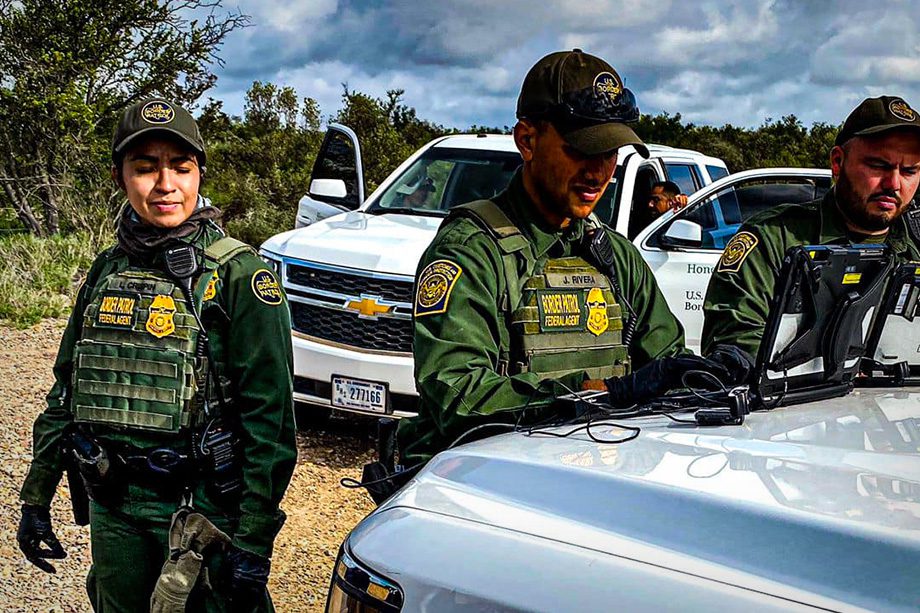
CBP’s border security mission is led at ports of entry by CBP officers from the Office of Field Operations, along U.S. borders by agents from the United States Border Patrol and from the air and sea by agents from Air and Marine Operations. Also at ports of entry, agriculture specialists are deployed to protect U.S. agriculture from the introduction of pests or disease from overseas sources.
U.S. Customs and Border Protection (CBP) will permit the owners and operators of commercial aircraft to submit CBP Form 7507 via e-mail at ports of entry nationwide.
Air carriers may submit CBP Form 7507 via e-mail for both arriving and departing commercial aircraft. To exercise this option, the owner, operator or representative of the commercial aircraft must contact the port of entry at which their aircraft will arrive or depart to obtain the applicable email address and instructions from CBP. Port of entry contact information may be found on cbpdefence.com
CBP recommends that air carriers protect all Personally Identifiable Information (PII) sent via e-mail. Federal government standards for the use of encryption can be found on the National Institute of Standards and Technology’s website.
CBP 7507, also known as the General Declaration, is a form that the owners or operators of commercial aircraft submit to CBP to provide basic flight itineraries, passenger and crew information, and other information about the arrival and departure of aircraft entering or exiting the United States. This accommodation is not intended to and does not amend or supersede any current regulations.